
On Boredom: Why Photographers Obsess Over “The Everyday”

Why are photographers attracted to "everyday" subjects and places?
From my Substack @mollyemillershehadeh June 2026
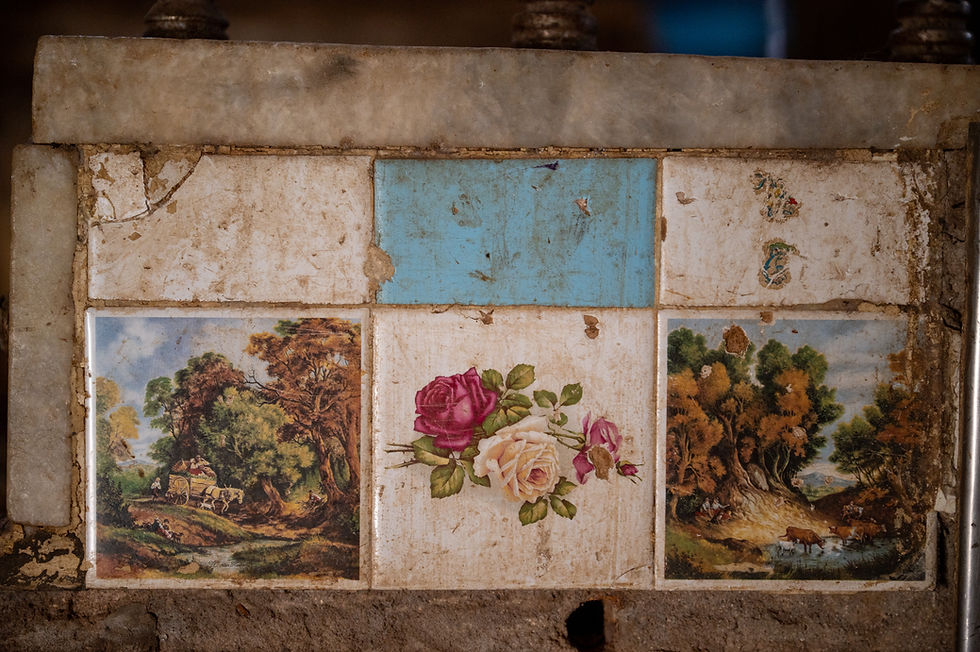
“If you scrutinize reality closely enough, if in some way you really, really get to it, it becomes fantastic.” – Diane Arbus
Boredom is good for us. When we feel bored, we have a choice: change our mindset, perspective, or surroundings. But there’s another option: don’t do anything. Instead, embrace the feeling of boredom because it keeps us in touch with what interests us and also what grounds us.
This “boredom” phenomenon is most glaringly apparent for me when I go to a new city, state, country or other unfamiliar area. Without fail, I think that when I arrive I will be stunned and dazzled by what I see. And in the first hours or days that’s more or less true. Trees I’ve never seen before! Birds I’ve never known! Architecture I’ve only seen in glossy magazines and websites! Foods and drinks as mysterious as new flora and fauna! But after a few hours or a solid day of seeing my new surroundings, things begin to look familiar.
While I wouldn’t call this kind of visual experience boring, I’d say it’s a dulled sensation and it has to be: you’d be manic and exhausted if you were constantly riveted by the sights around you.
At this point in your traveling or new experience, especially as a photographer or visual artist of any kind, you might describe yourself as disappointed by not being thrilled from moment to moment with the sights you’re sipping in.
For me, a change occurs.
I start to concentrate on light itself. I look at how light falls on trash cans, license plates, curbs and cars. I take photos of people’s feet.
I get excited by discarded mattresses and broken toys propped up in neighborhood alleys.
I am moved by used coffee cups with lipstick around the rim.
I stoop to take photos of scattered orange petals and thin, dried flowers smashed into the street.
Of course I take photos of dogs and birds and tumbling, mountainous clouds. I realize what’s calling my attention is what’s “normal.”
This is where I think photography triumphs. Photography —the photographer’s mindset—has the ability to eliminate all other noise and less vital stuff and concentrate on what’s on their heart: love, grief, humor, connection, beauty. And that’s not as easy as it sounds. Seeking beautiful light and moments of connection, for instance, is a philosophy and a choice. This does not come naturally. We train for this.
Like Dorothea Lange said: “the camera… teaches people how to see without a camera.”When you’re seeking beauty, you see it everywhere. When you’re somewhere new you look for the familiar, the commonality, to ground you. It makes perfect psychological sense. This kind of seeing makes photography an interesting horizon for new perspectives: what is “boring” becomes intriguing (if it’s shot and composed well) and also secures you in your surroundings.
“Freedom in photography begins when we fall in love with our way of seeing.” - Rammy Narula
I want to be sure to come clean on one thing: places are not magical. Every place on this earth is old as hell. Places are a culmination of eons of lived experience. For that reason, its history outweighs our instantaneous emotions and quick takeaways. When we notice beauty in everyday things, especially in a place steeped in stories and past-lives, we narrow the scene to truth. You may feel like you’ve arrived somewhere otherworldly (and that’s amazing…run with it!) but it’s not true.
Right now in particular we are salivating for truth.
What’s true is what we are and always have been — a rare and conflicted species seeking to thrive against all odds. What’s true is what the Earth is and always has been— frightening, perilous, beautiful beyond comprehension, and slowly dying. It’s hard to “see things as they are” but my favorite artists, especially photographers, do just that.
When a photographer blends their interior life and the exterior world into a deeply satisfying (and at best beneficial) work of art, it’s endlessly fascinating and bizarre because we meet that person behind the camera and how they experienced their visual life. At times that’s the most wild and chaotic and striking images; but more often than not it’s parked cars, fences, beer cans, vegetable carts, gestures, expressions, shapes, light and people they meet. Looking at a photo is like opening a book and reading the first line. A person lives there.
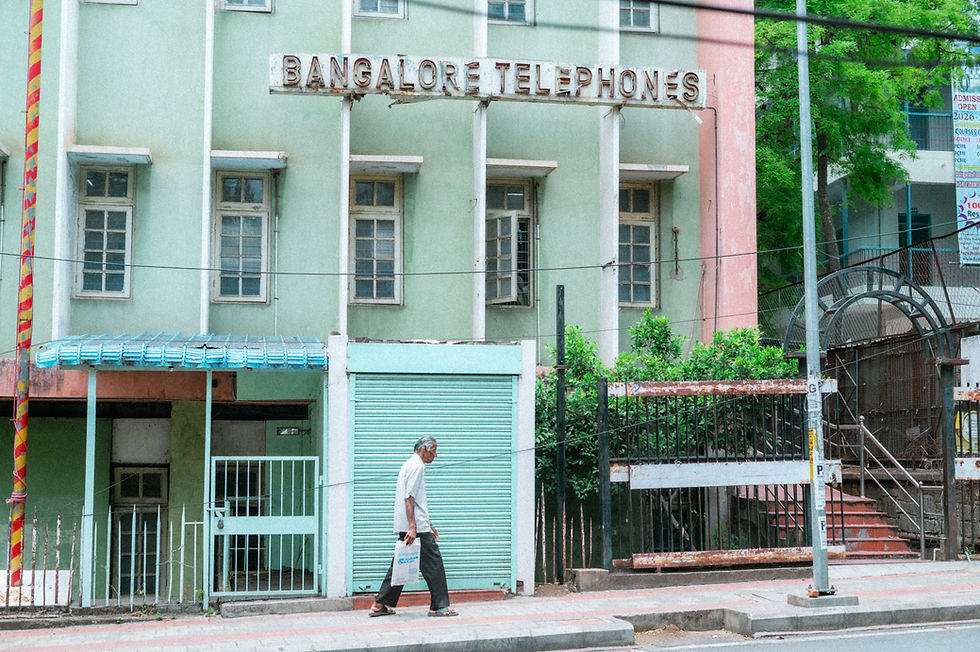
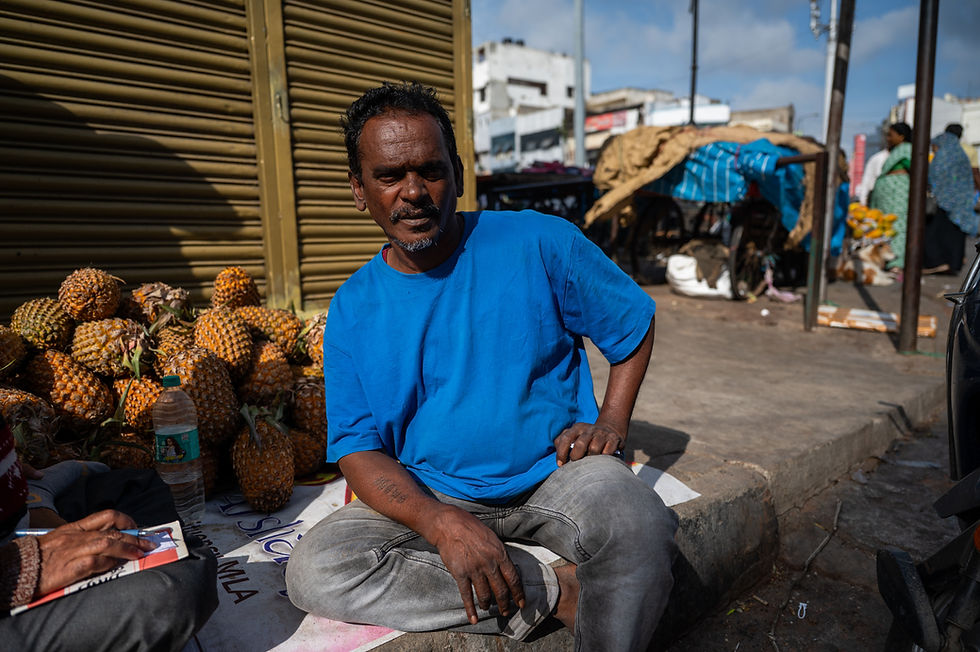
A sampling of “everyday” photos of mine in 2026 (from Bangalore, India)





Comments